
Clearer endings
Why ghosting happens—and what a dating app can change
Claspa journal · Published
Research-informed reasons people ghost, the ambiguity it creates, safety exceptions, and how clearer product states can support more respectful endings.
Ghosting is an unexplained withdrawal from communication in a relationship or emerging connection. Motives and interpretations vary, and silence may sometimes be necessary for safety.

There is no single motive
Avoidance, uncertainty and digital ambiguity can overlap
People may ghost to avoid discomfort, because interest faded, because they do not know how to end an early connection, or because digital communication makes disappearance easy. Research also links ghosting experiences with beliefs about relationships and attachment-related differences, but no profile trait can reliably tell you why one person stopped responding.
The receiver is left to interpret an absence without a shared ending. That ambiguity can be painful. It still does not justify repeated contact, pressure or attempts to bypass a boundary.
A necessary exception
Safety matters more than closure etiquette
No one owes a final message when they feel unsafe, threatened, harassed or manipulated. Blocking, reporting and ending contact without explanation can be the responsible choice.
In ordinary low-risk mismatches, product design can make a clear ending easier. Claspa gives either participant an explicit way to end a Lock. It cannot force kindness, but it can avoid leaving the app state itself ambiguous.
- Use a short, direct ending when it is safe.
- Do not debate another person's no.
- Block and report concerning behavior.
- Treat unexplained silence as a reason to stop pursuing contact.
The ambiguity problem
Digital communication removes many natural endings
An in-person encounter usually has a visible end. App conversations can remain technically open after interest has disappeared, leaving both people without a shared signal about whether the connection is paused, forgotten or finished. That ambiguity lowers the immediate cost of avoiding an uncomfortable message.
A clear product state can help, but it cannot supply emotional courage. People may still delay because they fear conflict, feel guilty, are overwhelmed or do not consider a brief app exchange to require closure.
Responding to silence
Seek clarity once, then protect your own boundary
If a previously active conversation stops, one calm follow-up can be reasonable. Repeated messages, contacting new accounts or demanding an explanation crosses a boundary. The absence of closure is painful, but pursuing someone cannot manufacture a respectful answer.
Avoid turning one person's silence into a global judgment about your attractiveness or future. App conversations end for many hidden reasons, and the missing explanation is precisely why ghosting is ambiguous.
A short ending
Clarity does not require a detailed performance review
When safety is not a concern, a simple message is enough: thank the person, state that you do not want to continue, and wish them well. Do not diagnose their personality, negotiate attraction or invite debate through excessive explanation.
If the other person responds with pressure, hostility or manipulation, stop engaging and use block or report tools. Courtesy never requires accepting abuse.
Inside the product
See Claspa in action.
Explore key product moments alongside the ideas that inspired Claspa. Preview profiles protect member privacy.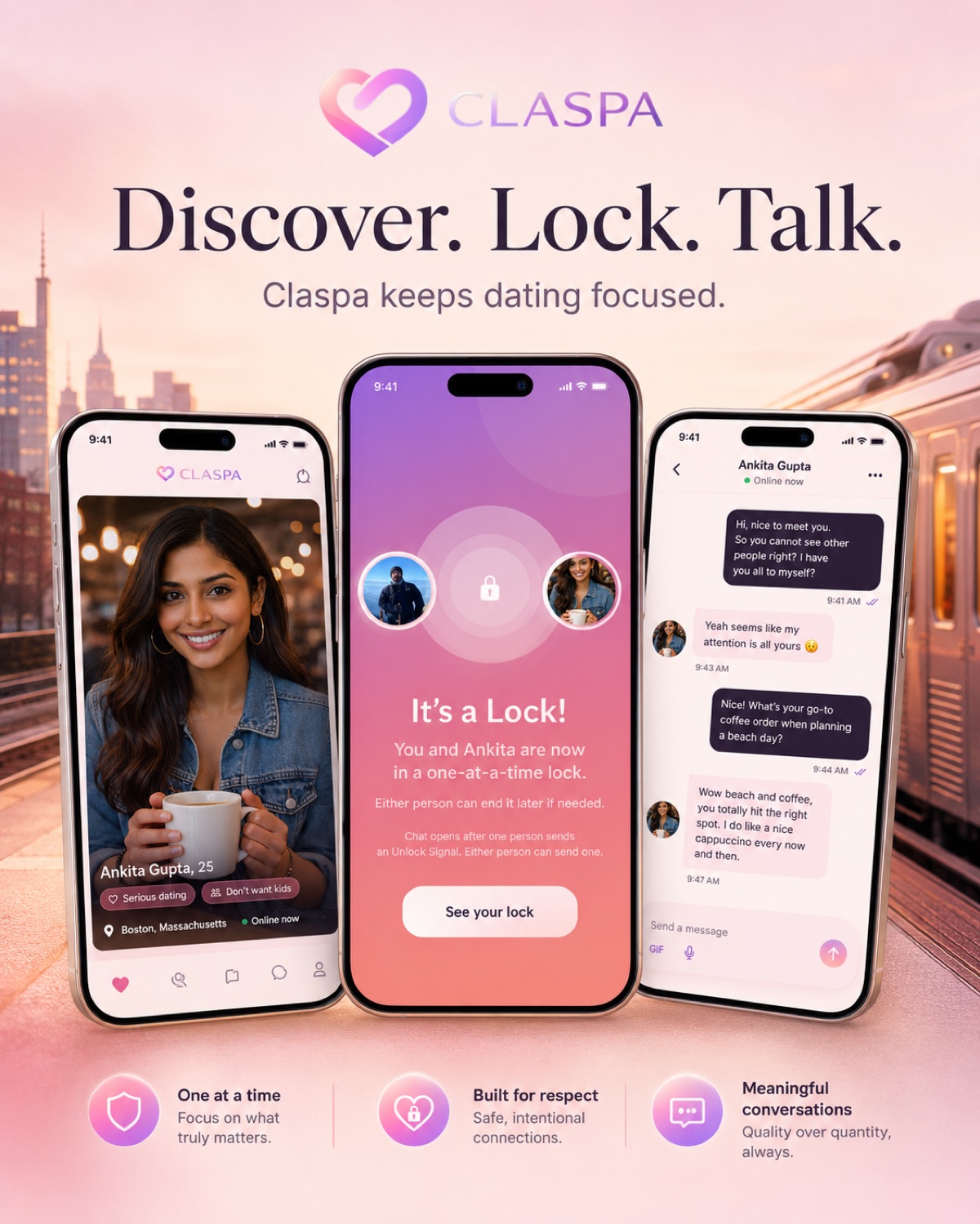
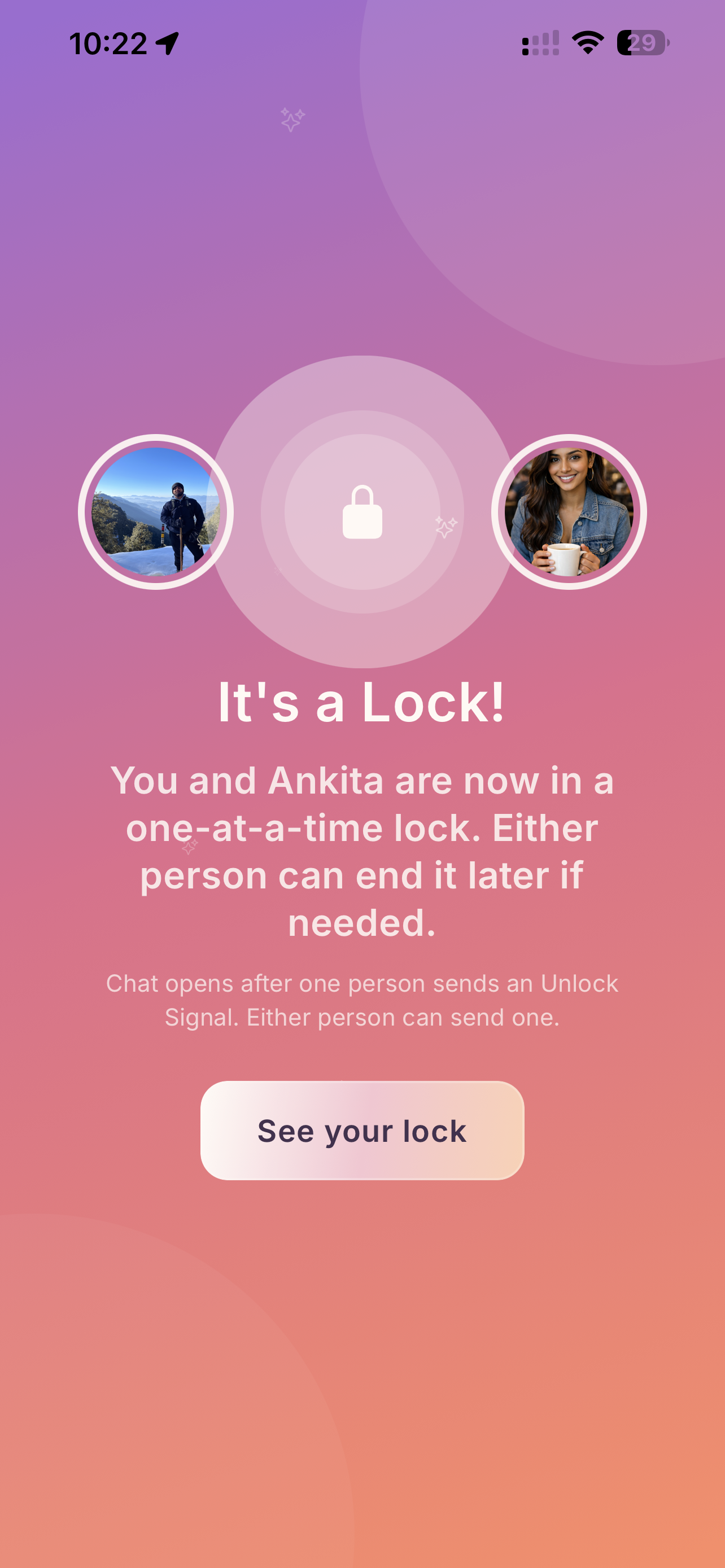 Preview profile
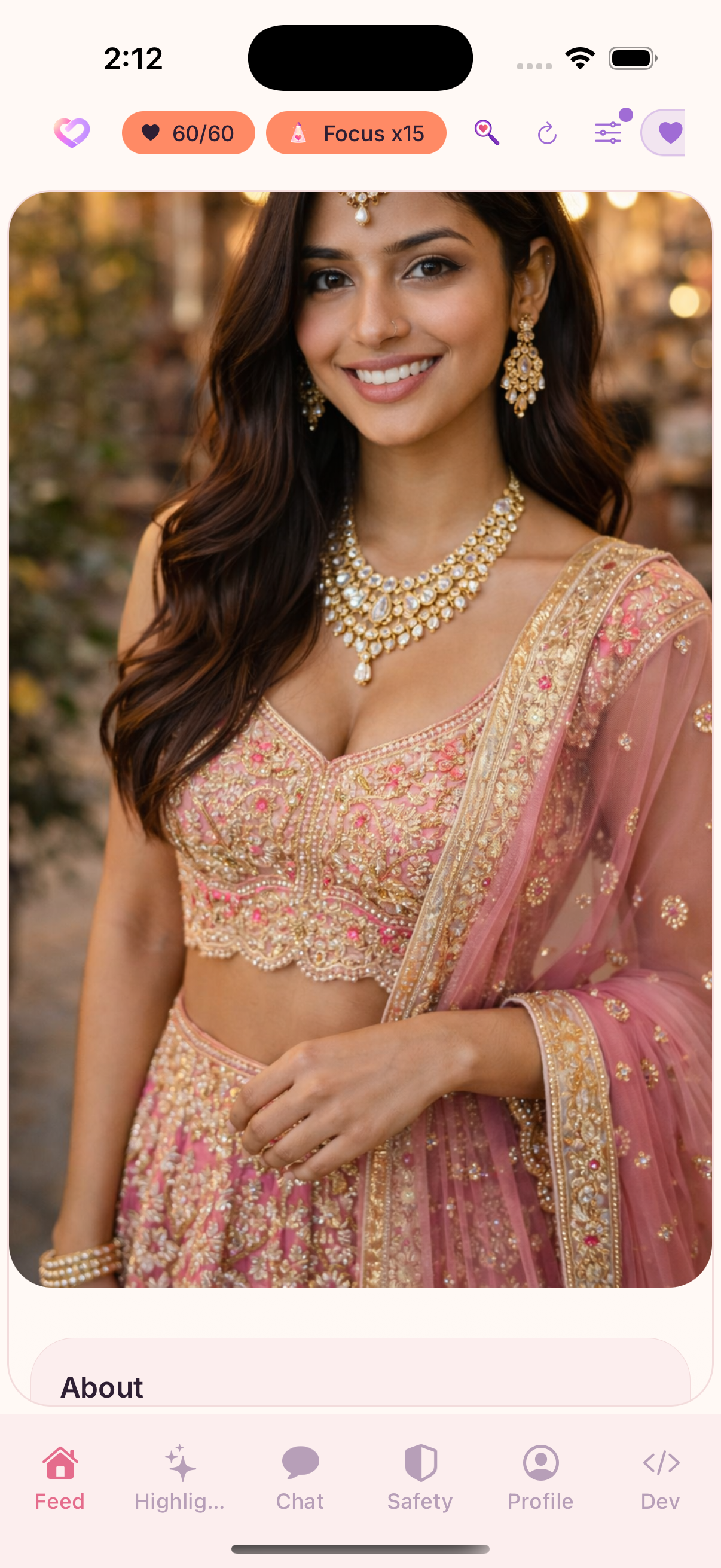 Preview profile
Go deeper
What the research says
These studies add context to the topic. They can inform better questions, but they do not predict any one person’s dating experience.- An empirical, accessible definition of ghosting as a relationship dissolution methodPersonal Relationships
Develops an empirically informed definition across relationship contexts.
- Attachment and implicit theories of relationships in ghosting experiencesJournal of Social and Personal Relationships
A multi-study examination of individual differences and ghosting experiences.
Clear answers
Frequently asked questions
Why do people ghost?
There is no single reason. Avoidance, fading interest, uncertainty, perceived norms and safety can all matter.
Should I send a closure message?
When it is safe, a brief clear message can reduce ambiguity. Safety takes precedence over etiquette.
Does Claspa prevent ghosting?
No. It provides a clear way to end a Lock, but it cannot control human behavior.
How long before silence counts as ghosting?
There is no universal time threshold. Consider the prior communication pattern, any stated absence and whether a reasonable follow-up received no answer.
Should I explain why I am ending an early match?
A brief clear statement is usually enough when safe. Detailed criticism is not required and may be unhelpful.
One match. Full attention.