
Relationship intentions
Serious dating vs casual dating: the useful distinction is honesty
Claspa journal · Published
A non-judgmental comparison of serious and casual dating goals, how intentions can change, and why behavior matters more than a profile label.
Serious dating usually means exploring long-term partnership; casual dating usually means lower-commitment connection. Neither label supplies consent, exclusivity or compatibility on its own.

Different goals, equal dignity
The problem is not casual dating; it is hidden misalignment
Adults can ethically want a long-term partner, casual dates, sexual connection, exploration or no relationship at all. Harm grows when someone misrepresents a goal, assumes a label grants consent, or keeps another person invested while privately pursuing something incompatible.
Intentions can also change. A serious dater may discover a specific match is not right; a casual connection may deepen. The respectful move is to communicate the change rather than retroactively pretending the original conversation never happened.
What serious dating requires
A long-term label is only the first signal
Serious intent becomes credible through behavior: availability, consistent communication, curiosity about values and practical compatibility, respect for boundaries, and willingness to discuss direction over time.
Claspa is designed for people seeking serious relationships. Its Lock makes in-app attention visible, but it cannot verify someone's private motives or turn a stated goal into real-world commitment.
- Ask what the label means to the person using it.
- Discuss exclusivity explicitly rather than assuming it.
- Watch for consistency between words and behavior.
- Leave respectfully when goals no longer align.
Ask better questions
Labels become useful when translated into expectations
Two people can both choose 'serious' while imagining different timelines, family structures or levels of commitment. Two casual daters can also disagree about exclusivity, communication and sexual health. Ask what the label means in practice rather than assuming a shared definition.
Useful topics include how often each person wants to meet, whether either is dating others, what safer-sex practices matter, and what would cause the arrangement to change or end. Consent to one form of connection is not consent to every expectation attached to the label.
When goals change
A change of heart is valid; concealment is not
No one can guarantee that initial interest will deepen. A person can begin with serious intent and decide a specific connection is not right. Someone can also discover they are not currently ready for the goal they selected.
Communicate that change before continuing to accept benefits from the old expectation. The other person is entitled to make a new decision with accurate information, including ending the connection.
Claspa's fit
A serious product can still welcome honest uncertainty
Claspa is designed for adults seeking long-term relationships, but it should not reward premature promises. The Lock creates attention for evaluation, not a requirement to declare commitment before enough evidence exists.
The best fit is someone who can state a long-term direction, remain curious about the specific person, and communicate clearly if the connection does not support that direction.
Inside the product
See Claspa in action.
Explore key product moments alongside the ideas that inspired Claspa. Preview profiles protect member privacy.
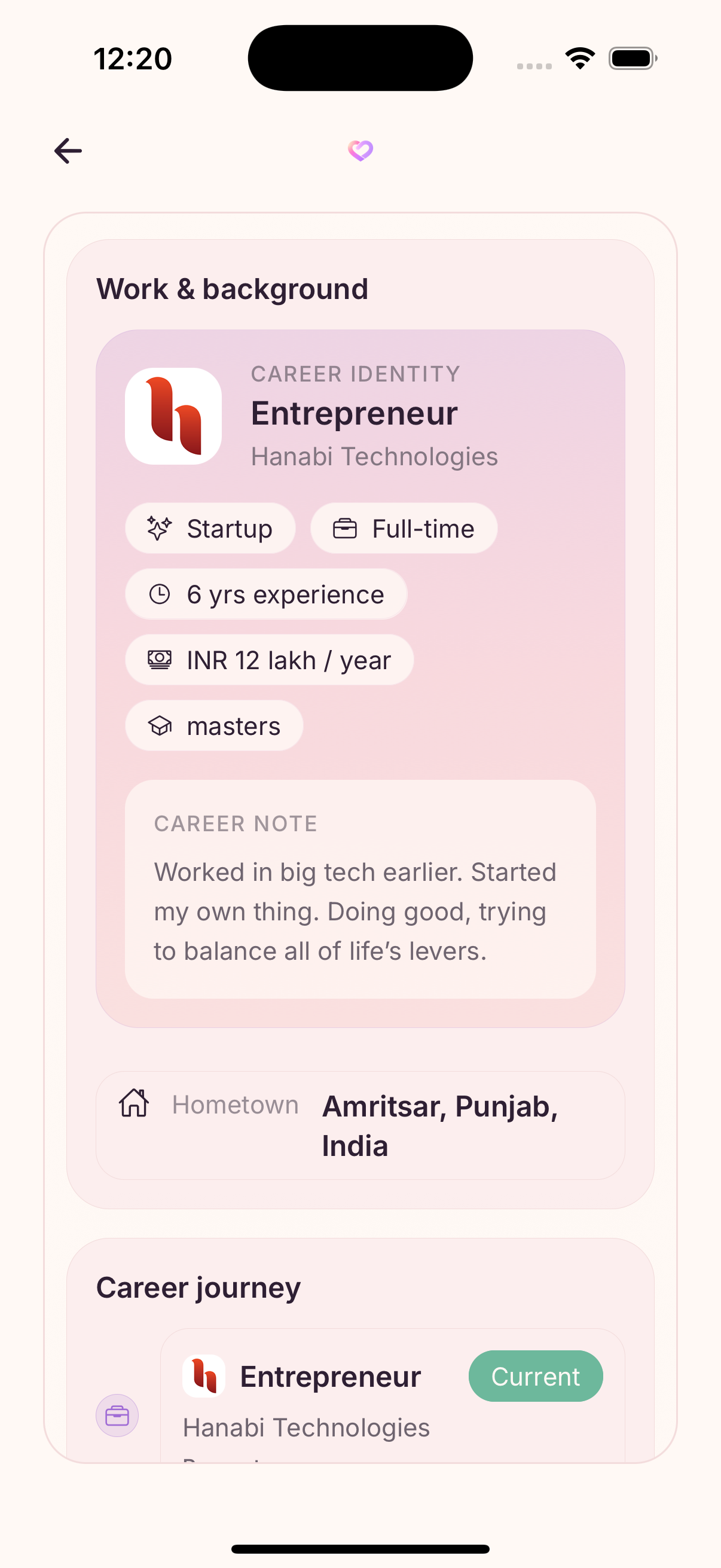 Preview profile
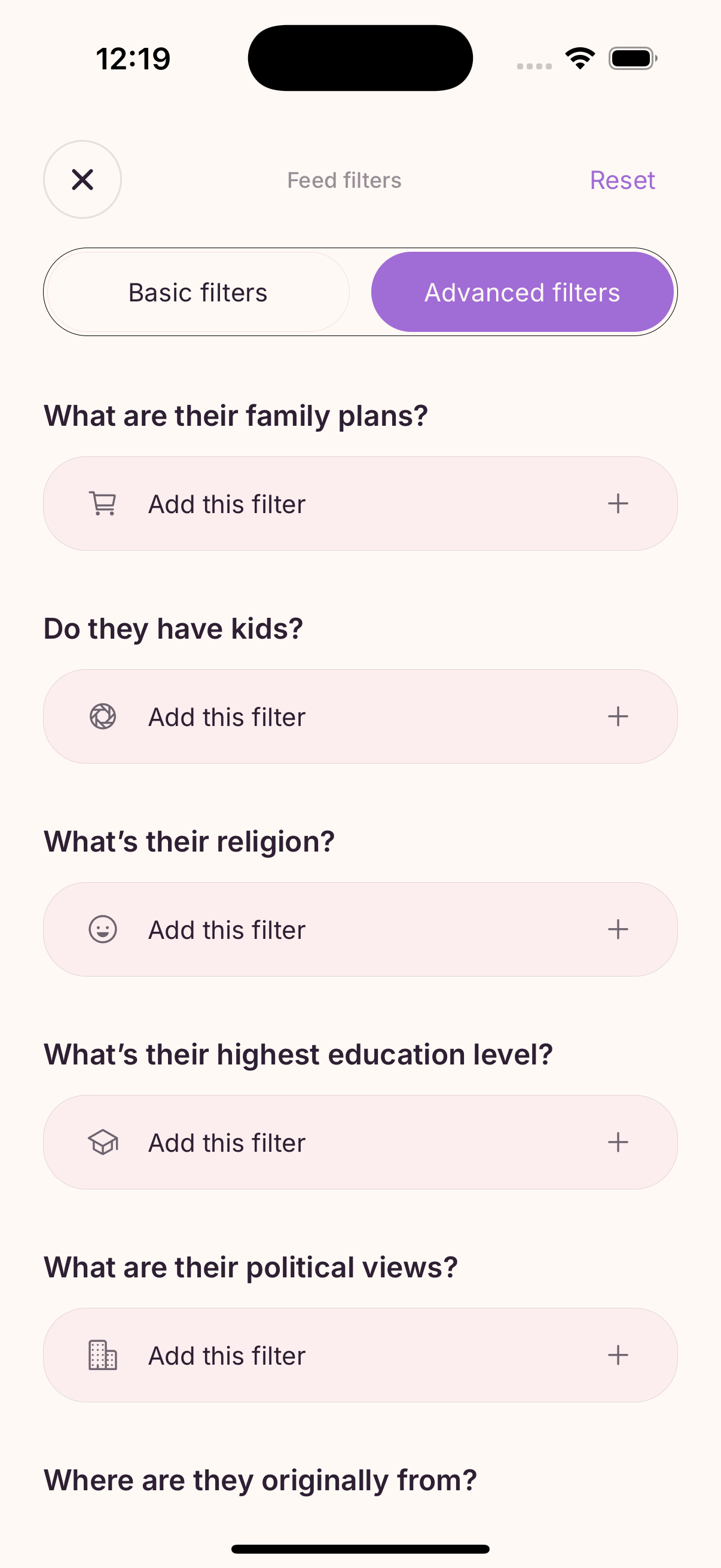 Preview profile
Go deeper
What the research says
These studies add context to the topic. They can inform better questions, but they do not predict any one person’s dating experience.- The Virtues and Downsides of Online DatingPew Research Center
Survey context showing that people use online dating for different relationship goals and report mixed experiences.
- Initial impressions of compatibility and mate value predict later dating and romantic interestProceedings of the National Academy of Sciences / PubMed
Longitudinal speed-dating evidence on initial impressions and later romantic outcomes.
Clear answers
Frequently asked questions
Is casual dating wrong?
No. The ethical issue is informed consent, honesty and respect—not the relationship goal itself.
Does serious dating mean immediate exclusivity?
No. Exclusivity should be discussed and mutually agreed.
Is Claspa for casual dating?
Claspa is positioned for adults seeking serious, long-term relationships.
Can a casual relationship become serious?
Yes, but neither person should assume it will. Discuss the change explicitly and confirm that expectations now align.
What if I am unsure what I want?
Be honest about the uncertainty. Claspa's serious-relationship positioning may not fit until you are genuinely available for that direction.
One match. Full attention.